Your independent Samos guide
The birthplace of Pythagoras.
A mountain range with a harbour at each end: stone villages above the pine line, muscat grown on terraces, and UNESCO-listed ruins a short drive from the beach. Two kilometres from Turkey, and nothing like the Cyclades.
- Top-rated experiences
- Free cancellation on most tours
- Instant confirmation
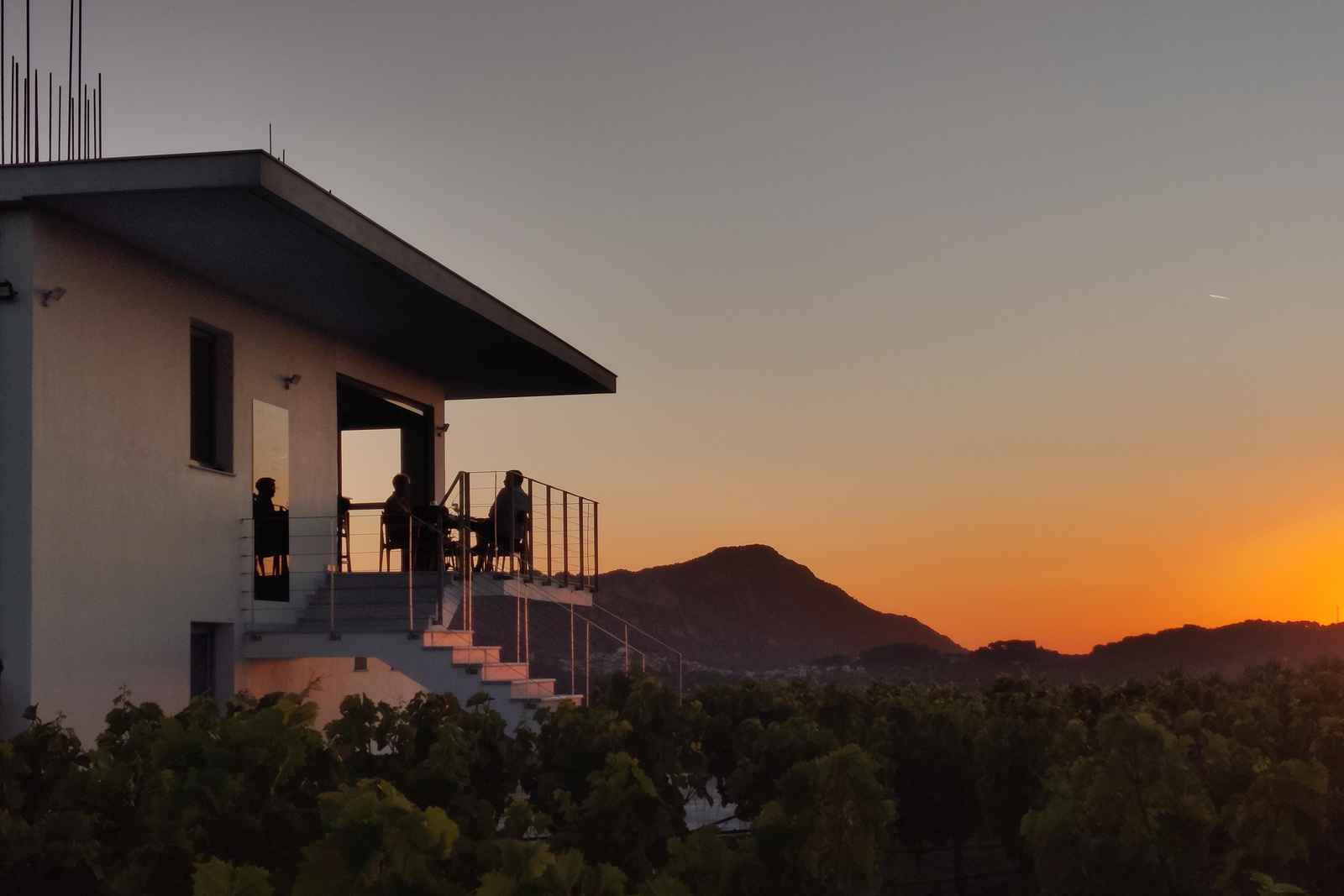
What is Samos, and is it worth a trip?
In brief
- Birthplace of Pythagoras; Pythagoreion and the Heraion are one UNESCO site, inscribed in 1992.
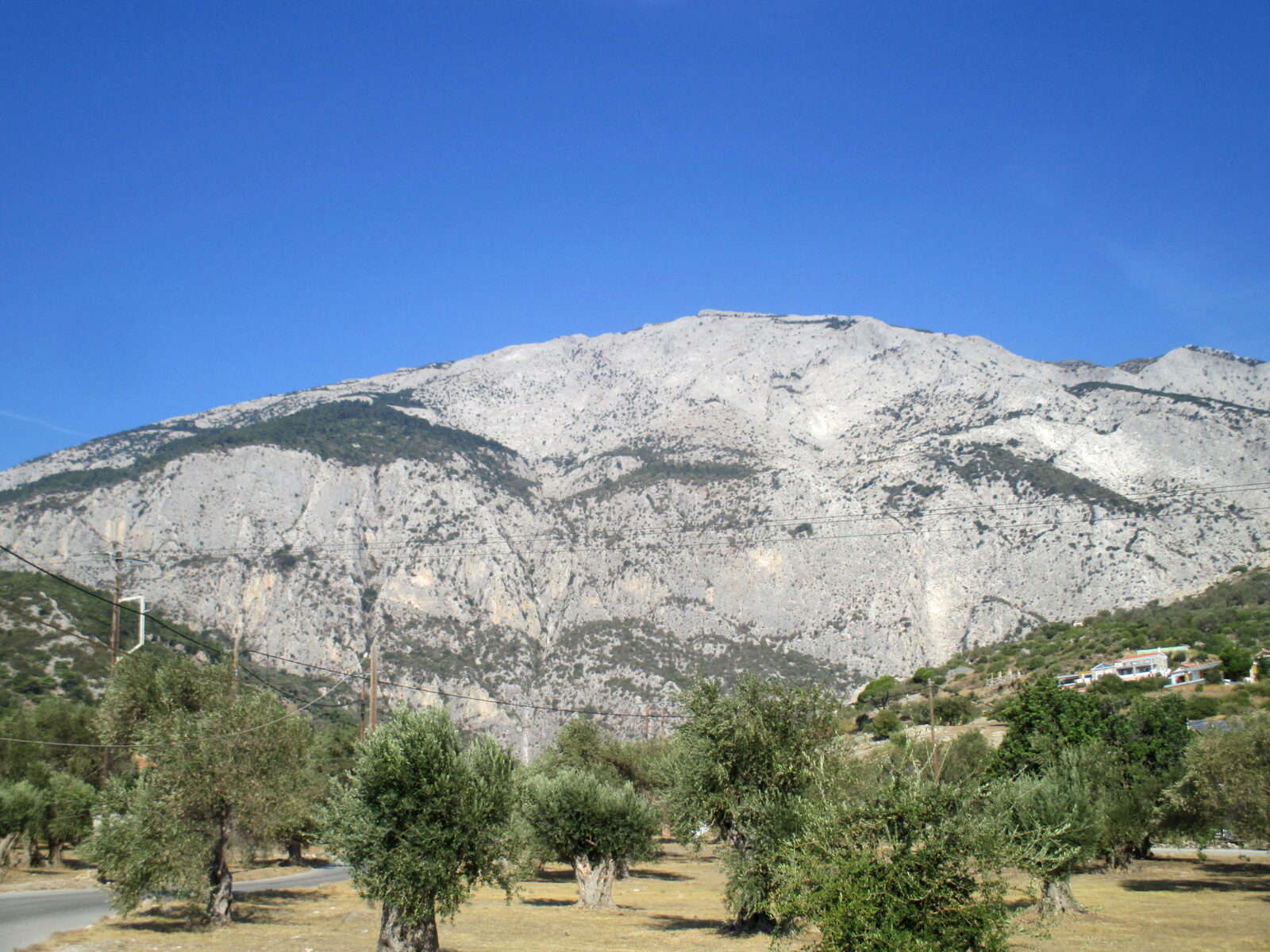
- Mount Kerkis rises to 1,434 m, the highest point of the Aegean islands outside Crete and Evia.
- Day trips to Kusadasi and Ephesus run from Pythagoreio and Vathy.
- Best months: late May–June and September; July–August is hottest and busiest.
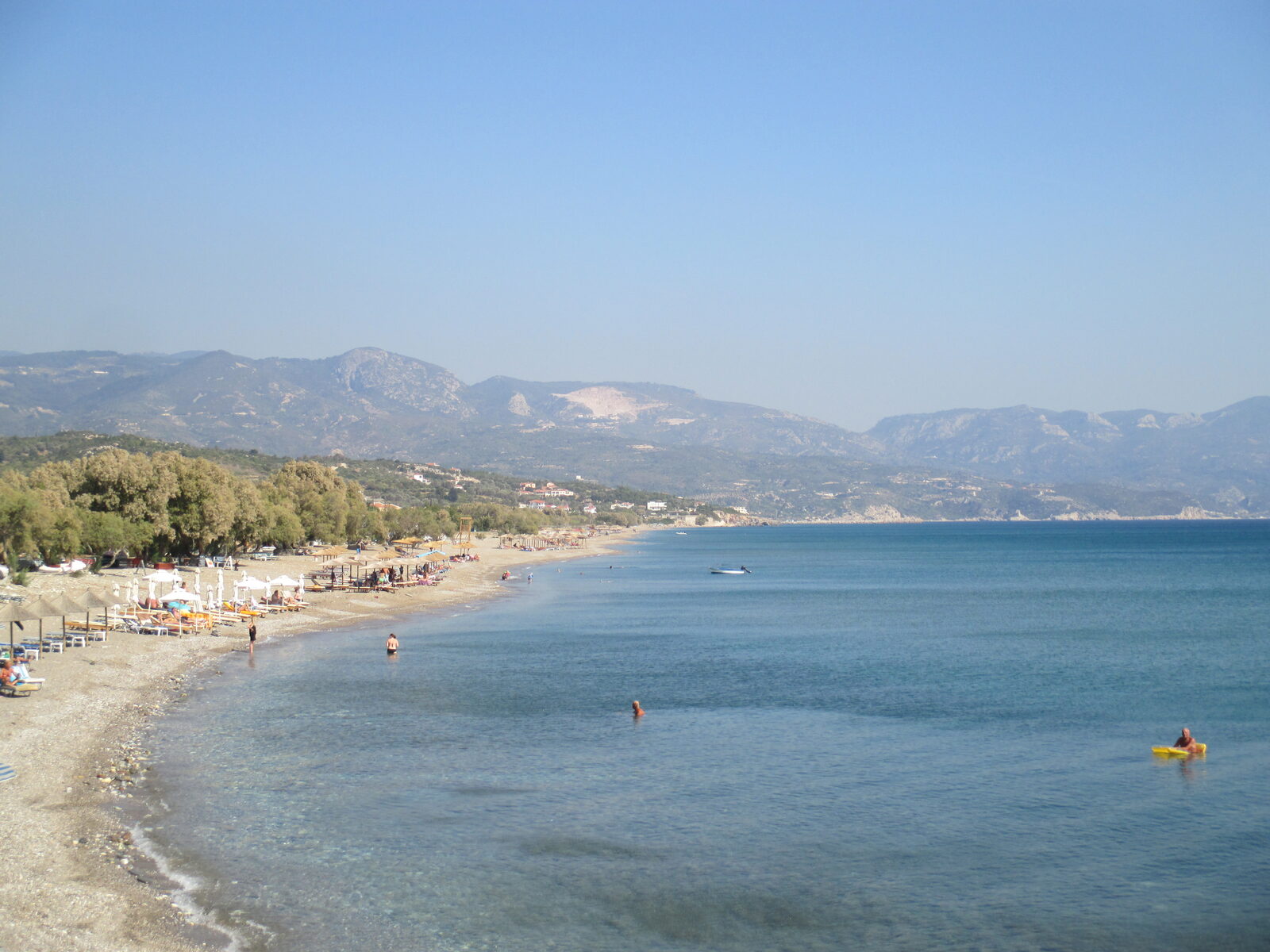
- Most beaches are pebble; Psili Ammos is the main sandy exception.
Last verified 4 October 2026
The island of stone and wind
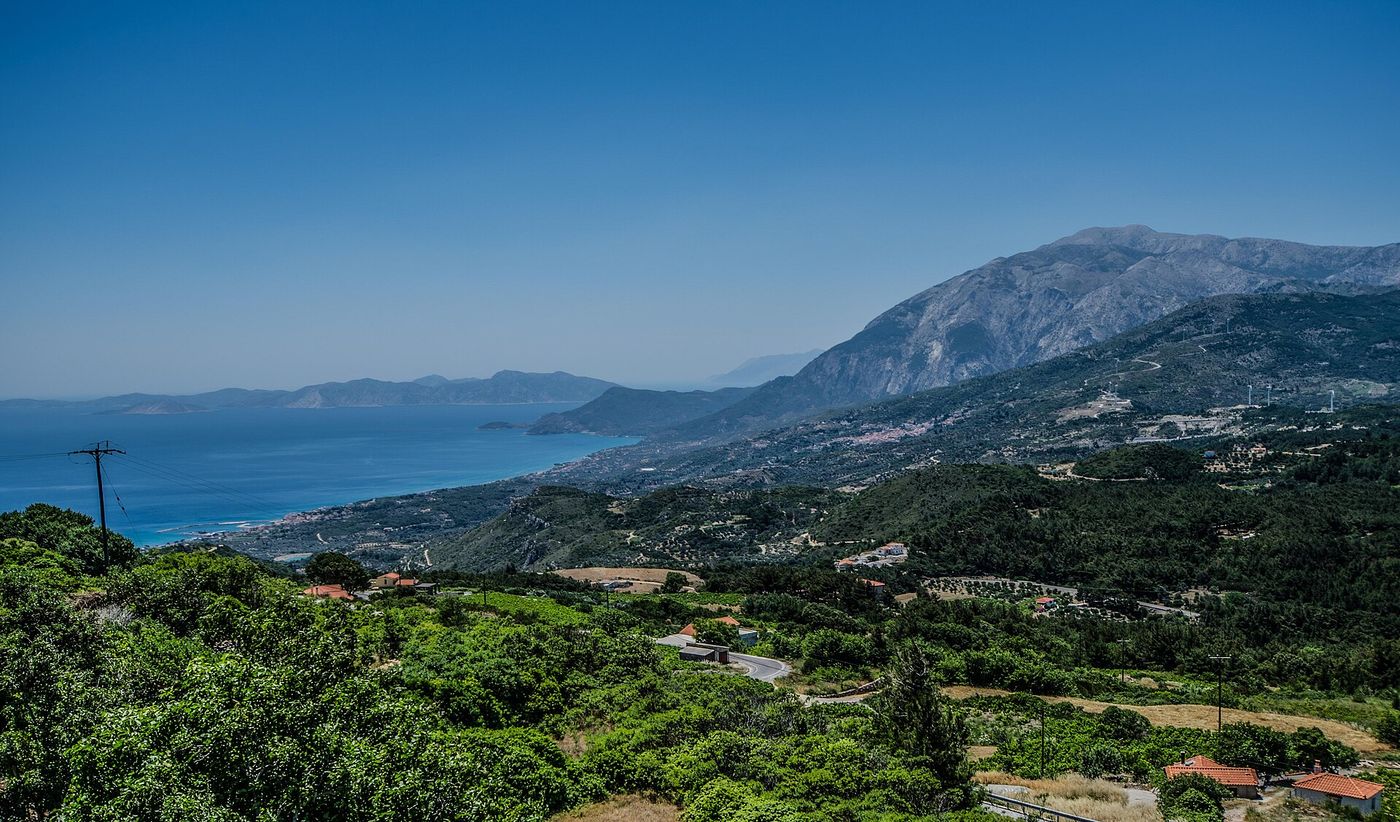
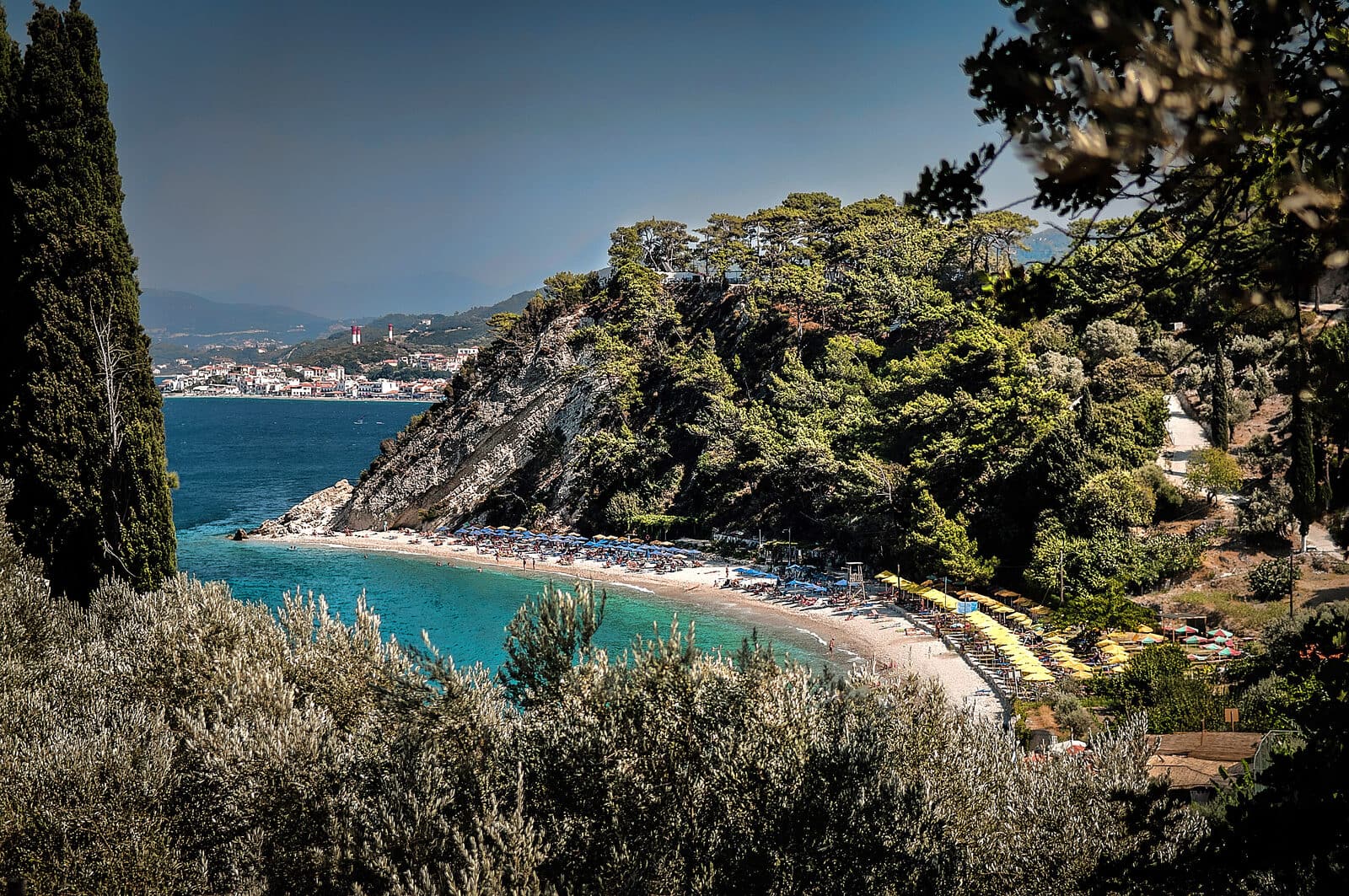
Samos is a mountain range with a harbour at each end
Almost everything here is stone: the dry-stone walls holding up the terraces, the villages stacked on the slopes of Ambelos, the 19th-century warehouses on the waterfront at Vathy. Even the wine grows on walls.
The wind has a name. The meltemi blows south through the Aegean from June to September, and on Samos it decides the day: which coast is calm enough to swim, why the north-coast tavernas shelter their tables, and why Kokkari belongs to the windsurfers by two in the afternoon.
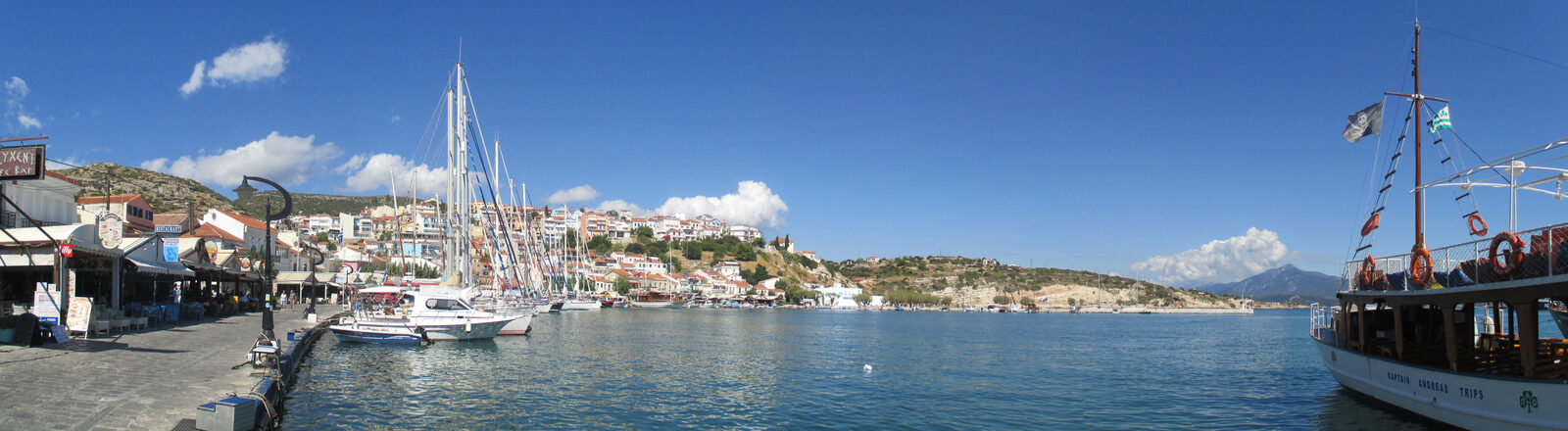
And then there is the strait, barely two kilometres wide at its narrowest, with Turkey on the far side. It explains the temple, the tunnel, the harbour towns facing east and the ferry that crosses to Kusadasi in about 30 minutes from 1 April to 31 October.
What the wind does to a day
Seen
Whitecaps off the north coast by early afternoon; glassy water in the sheltered south-eastern bays.
Heard
Pine tops moving above Kokkari, gulls over the fishing boats, and shingle being dragged back down a pebble beach.
Felt
The heat breaking around four, then the light going gold over the strait on the way to dinner.
The shape of a summer day
Samos runs on a rhythm you can plan around, and the wind keeps the time.
07:00
The water is glass and the first ferries are loading. Swim now if you want the beach to yourself.
13:30
The island stops. Tavernas fill, shutters come down, and the meltemi gets up on the north coast.
18:30
The wind drops. The waterfront sets out its tables and the pebbles lose the heat of the day.
Where to start
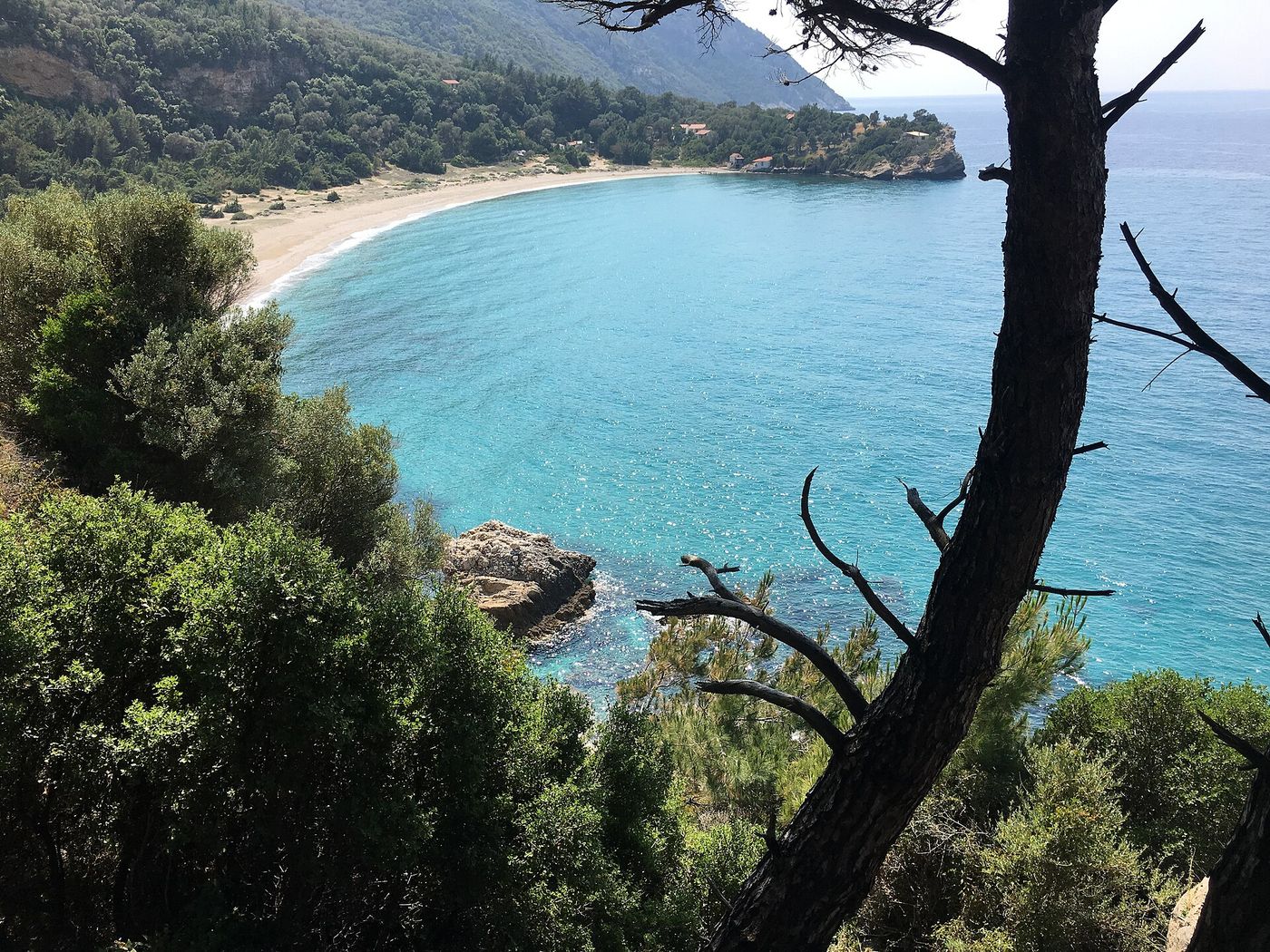
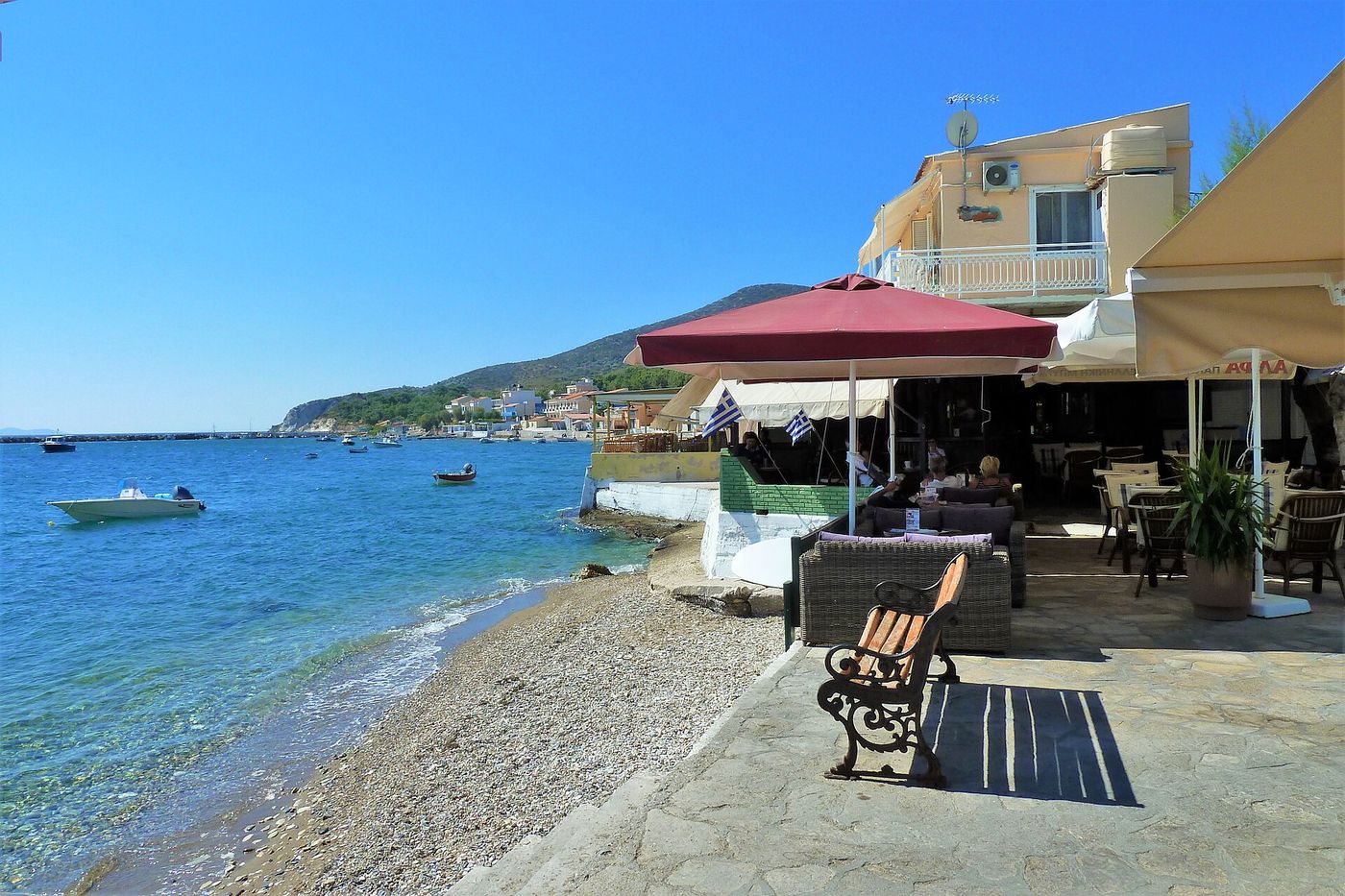
The best beaches
Tsamadou, Psili Ammos and the roadless coves of Seitani: which coast to pick, and on which wind.
Compare the beaches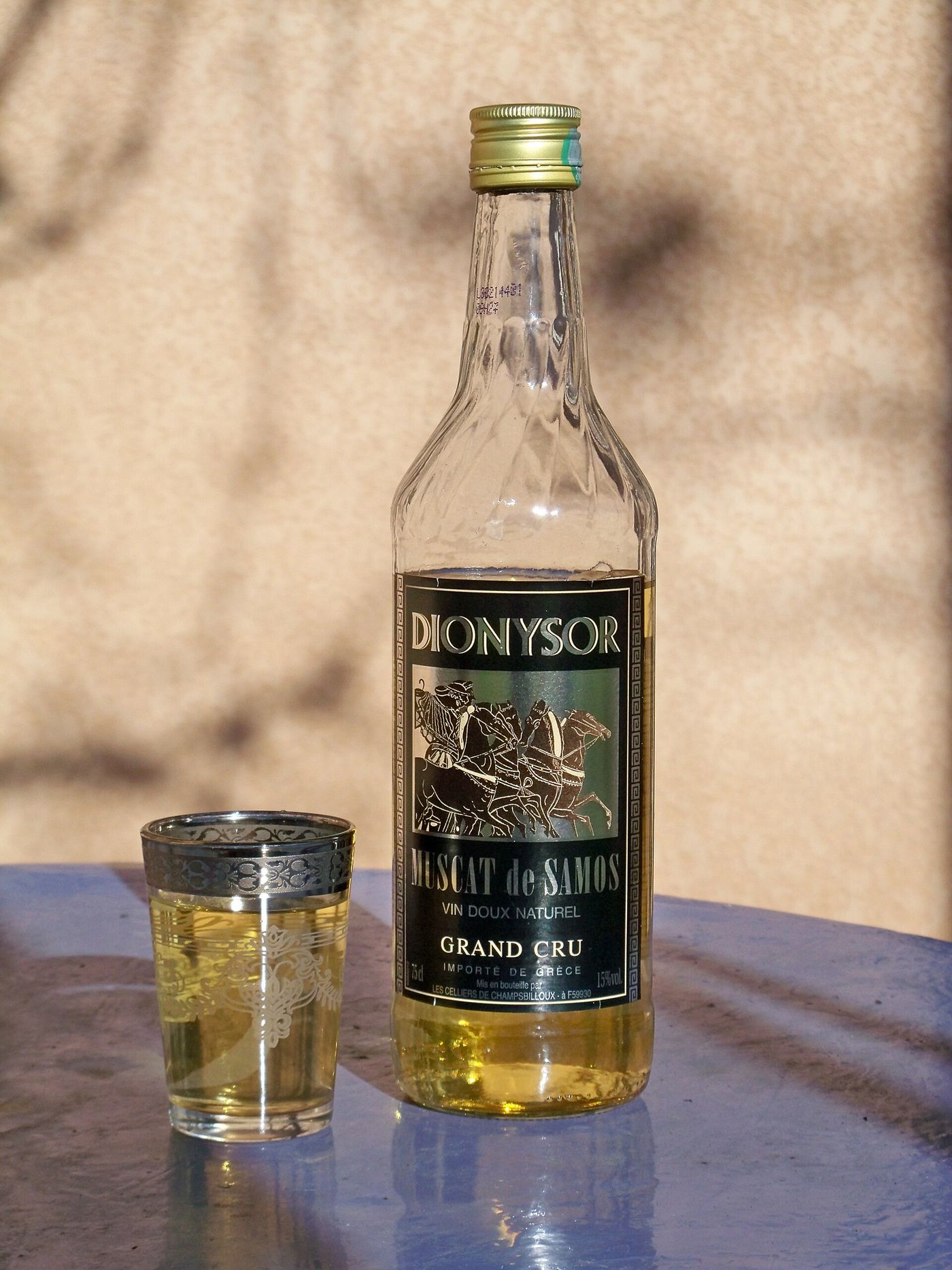
Wine and muscat
One grape, a dozen styles, and a museum where five euros buys a tasting of three of them.
Read the wine guide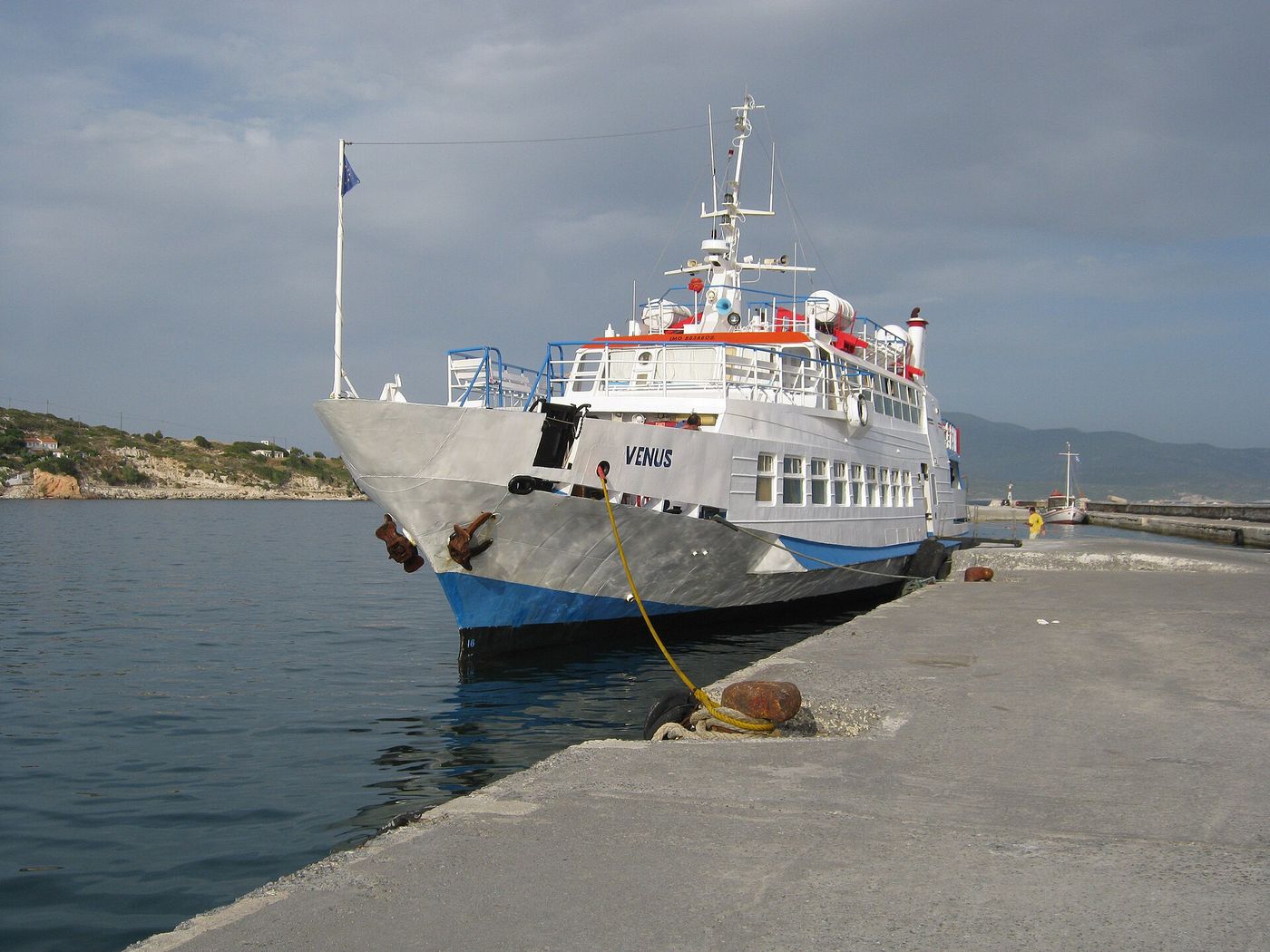
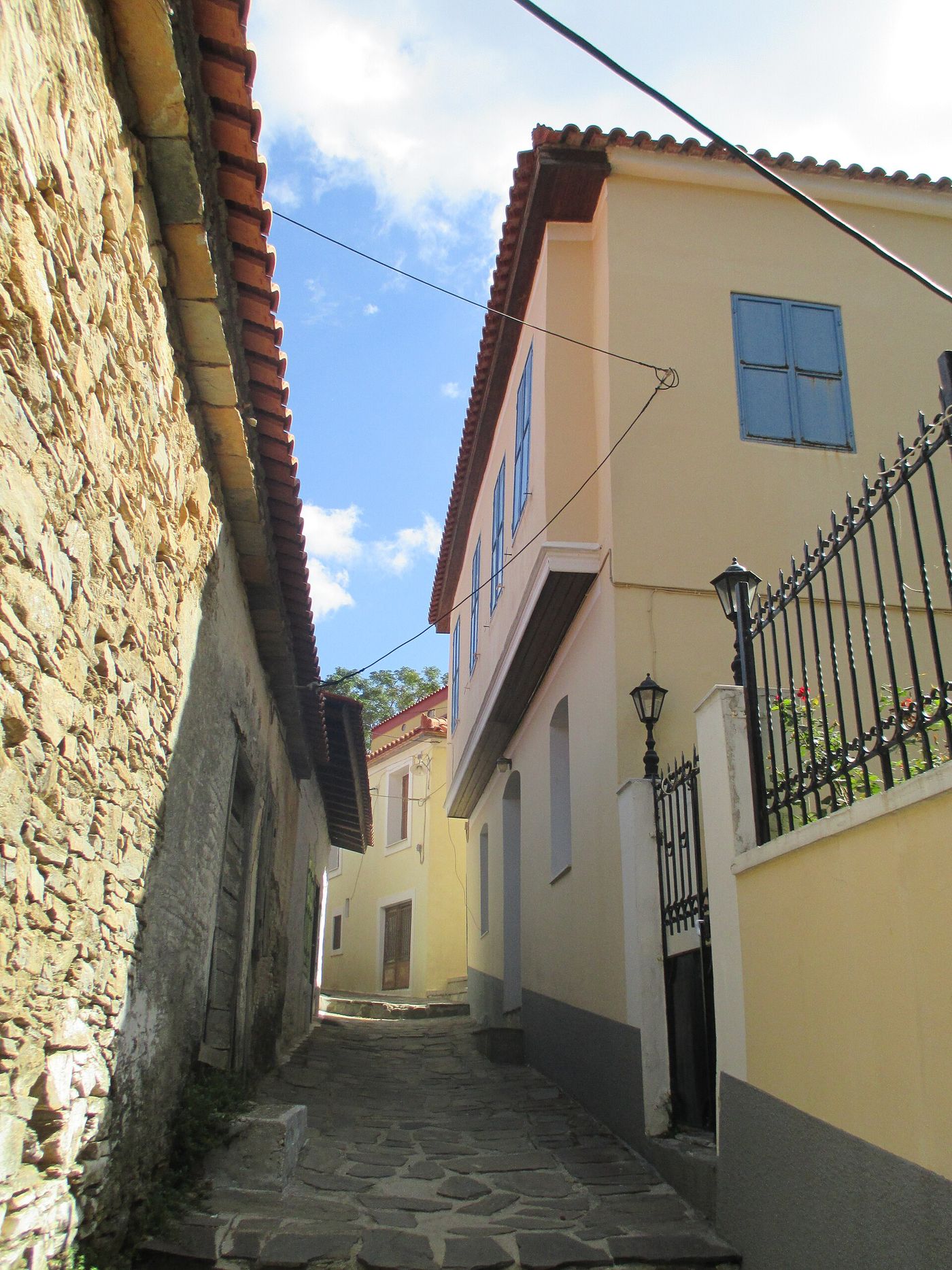
The two old towns
Vathy and Pythagorio, twenty minutes apart and built around completely different things.
Compare the townsWorth knowing
What Samos is not
This is not an island of resort strips and sandy bays. The coastline is mostly pebble and shingle, the mountains are worked rather than scenic, and the last four kilometres up to Manolates are narrow, steep and winding. Plan around that and the island gives you far more than a beach holiday would.
For the practical side, ferries, flights, prices, insurance and what to pack, start with the Samos travel guide.
Stone, wind and wine: what this island is actually like
Samos sits in the North Aegean, cut off from the Turkish coast by a strait barely two kilometres wide at its narrowest. It was the birthplace of Pythagoras and, later, of Epicurus, and its ancient harbour town and temple were inscribed together as one UNESCO World Heritage site in 1992, recognised for an engineering feat you can still walk into: the Eupalinos Tunnel.
Away from the coast, terraced vineyards climb the hillsides, Samos muscat has been made here for centuries, and Mount Kerkis rises to 1,434 m, the highest point in the Aegean islands outside Crete and Evia. You can swim at a Blue Flag beach in the morning and be hiking pine forest by early afternoon.
1992
UNESCO listing (Pythagoreion & Heraion)
1,434 m
Mount Kerkis, the island's highest peak
≈1.6 km
To the Turkish coast at the narrowest point
Top-rated tours on GetYourGuide
Ratings and review counts come from each tour's own GetYourGuide page, checked in September 2026. Open a card to read the full reviews there.
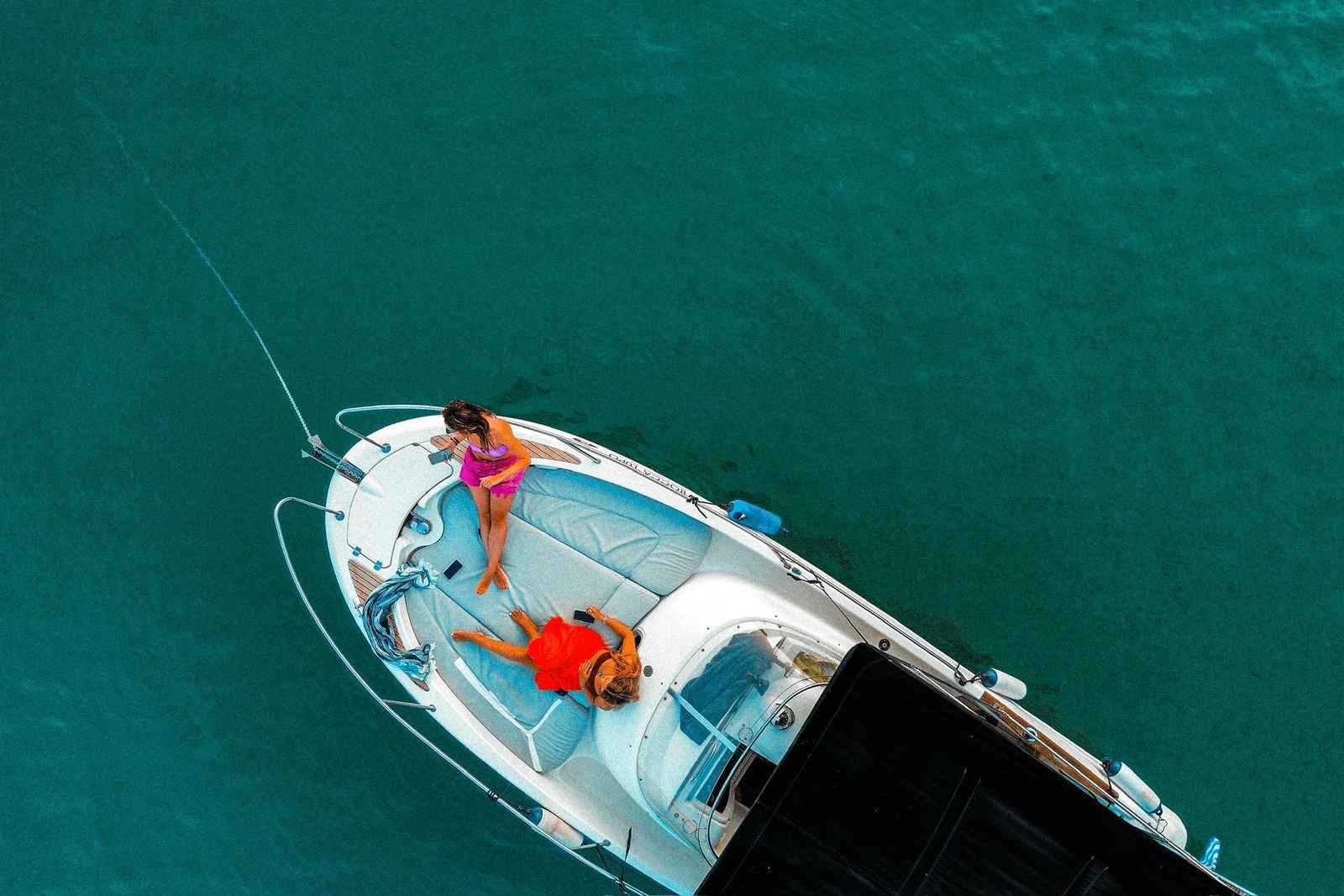 4.8· 56 reviewsRated on GetYourGuideSamos: Private Boat ToursSee reviews and dates
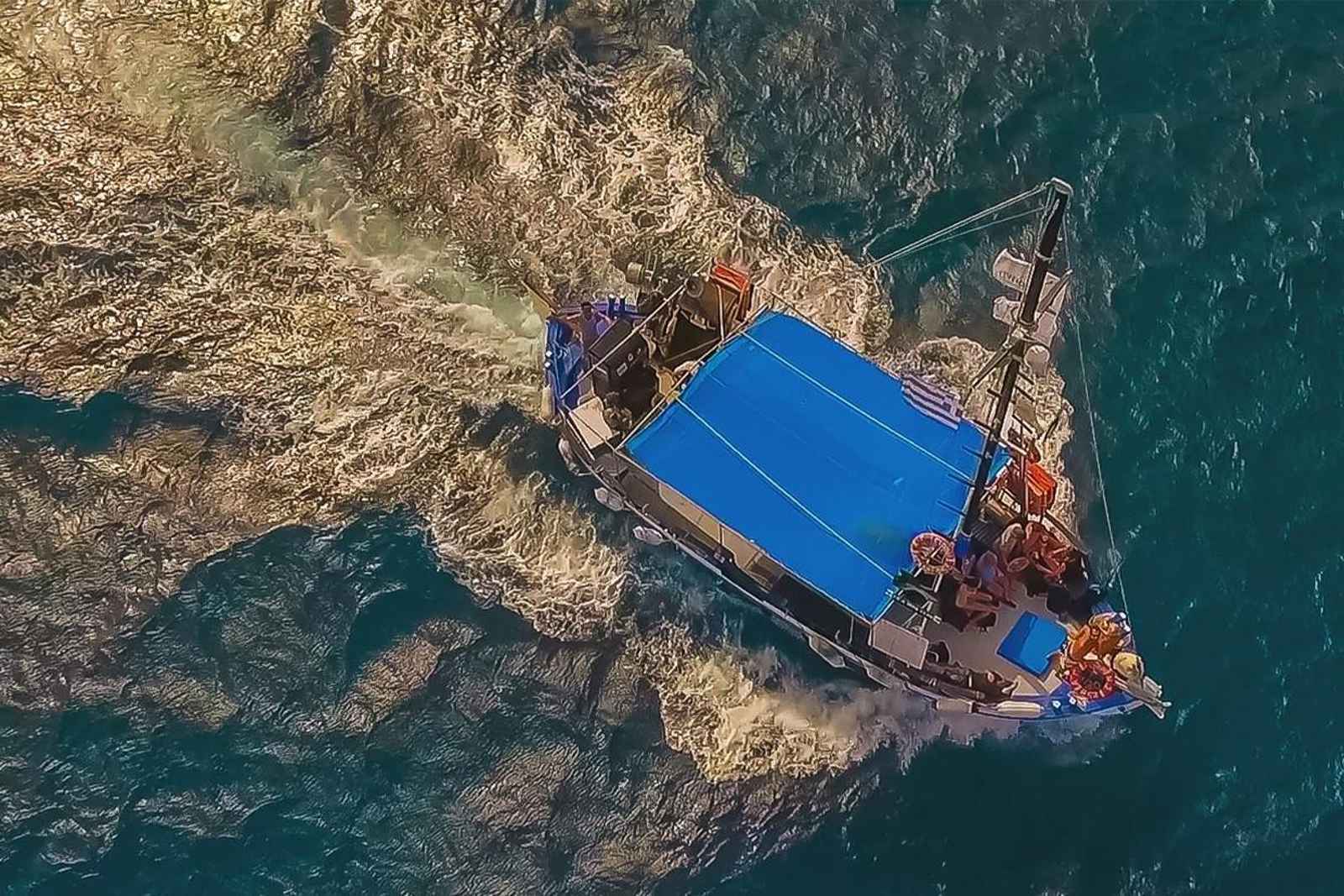 4.7· 88 reviewsRated on GetYourGuideSamos: Boat Tour with BBQ Lunch to SamiopoulaSee reviews and dates
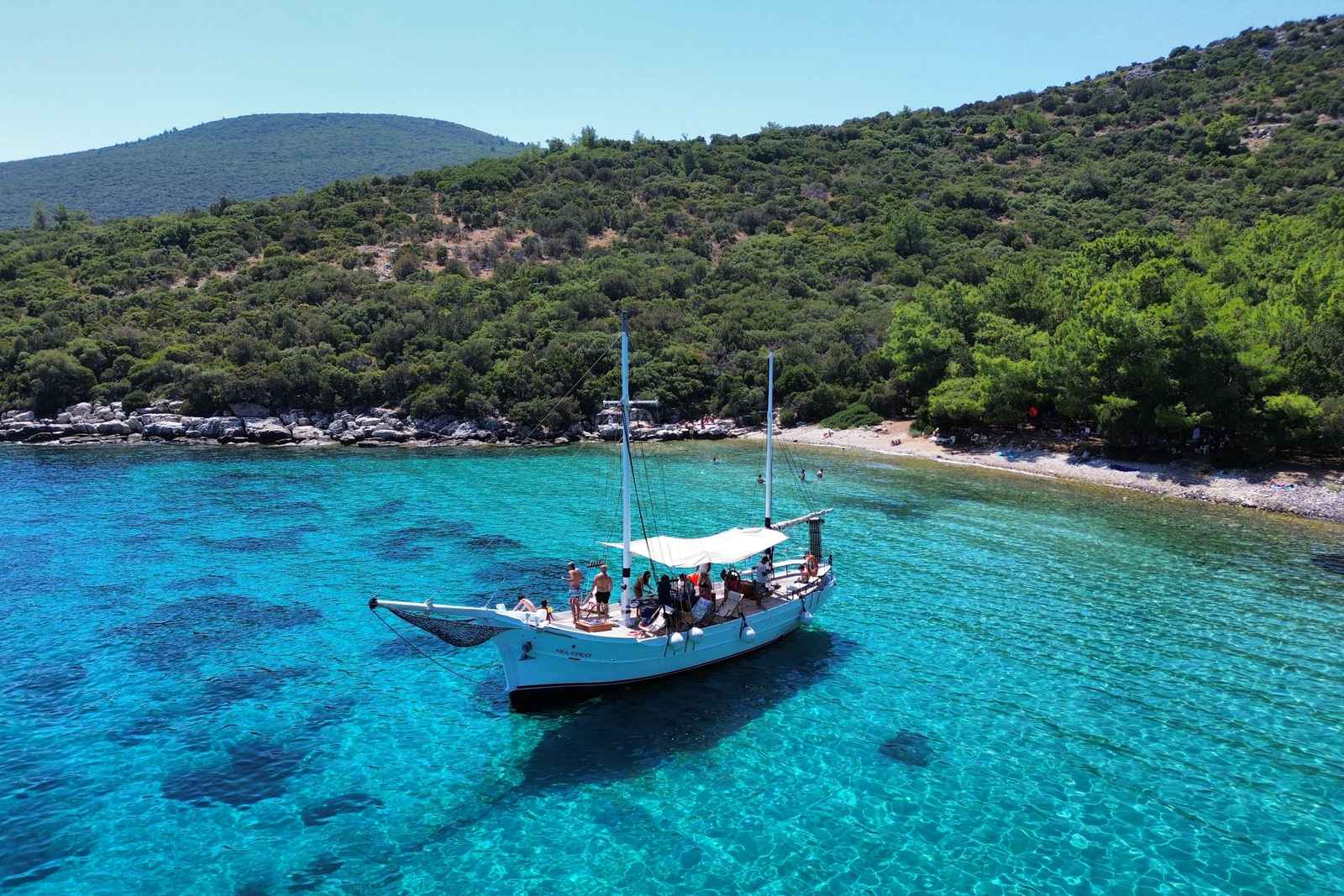 4.8· 26 reviewsRated on GetYourGuideSamos: East Coast Boat Trip with Lunch and DrinksSee reviews and dates
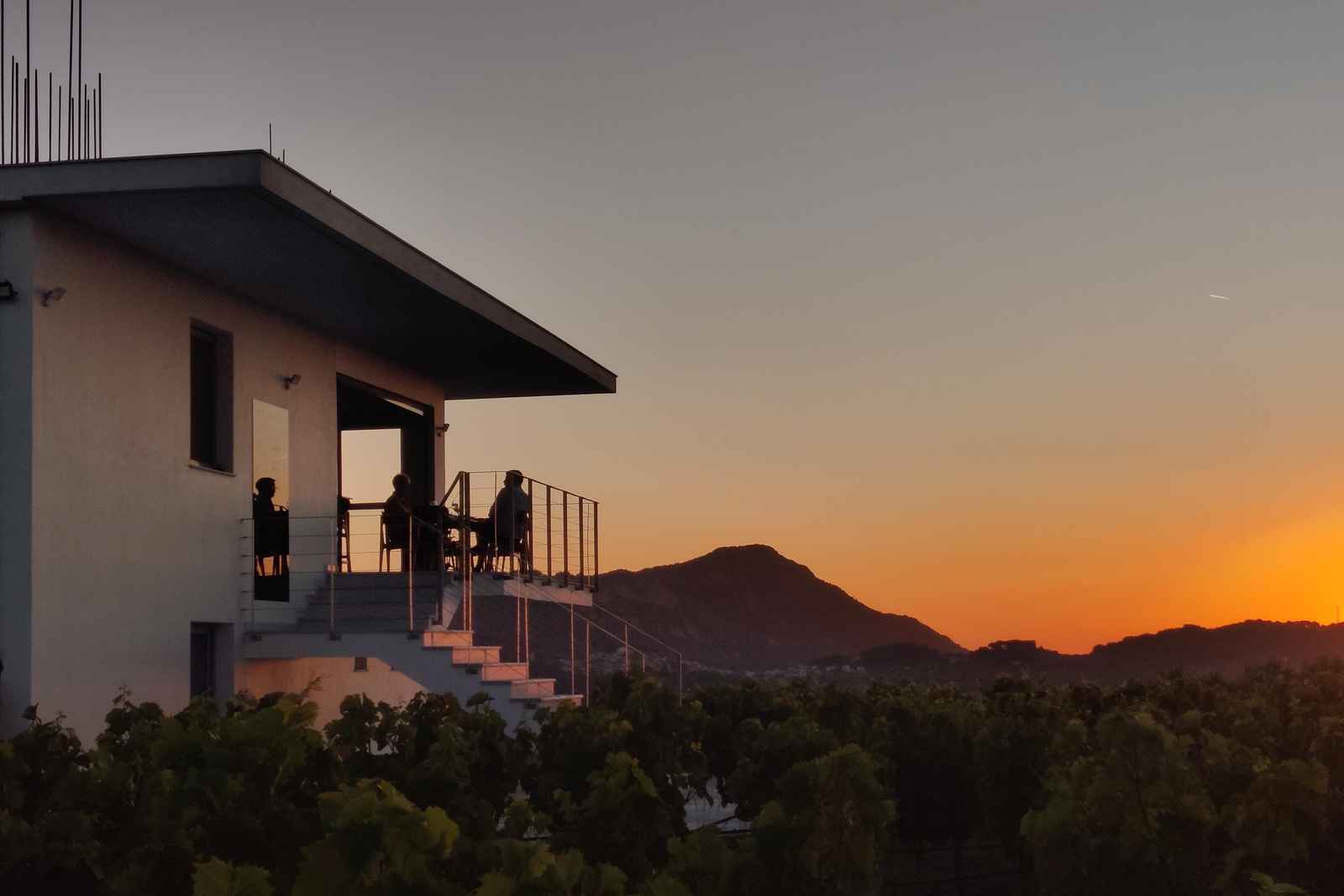 4.7· 12 reviewsRated on GetYourGuideSamos: Wine Tasting at Kostaki Organic WinerySee reviews and dates
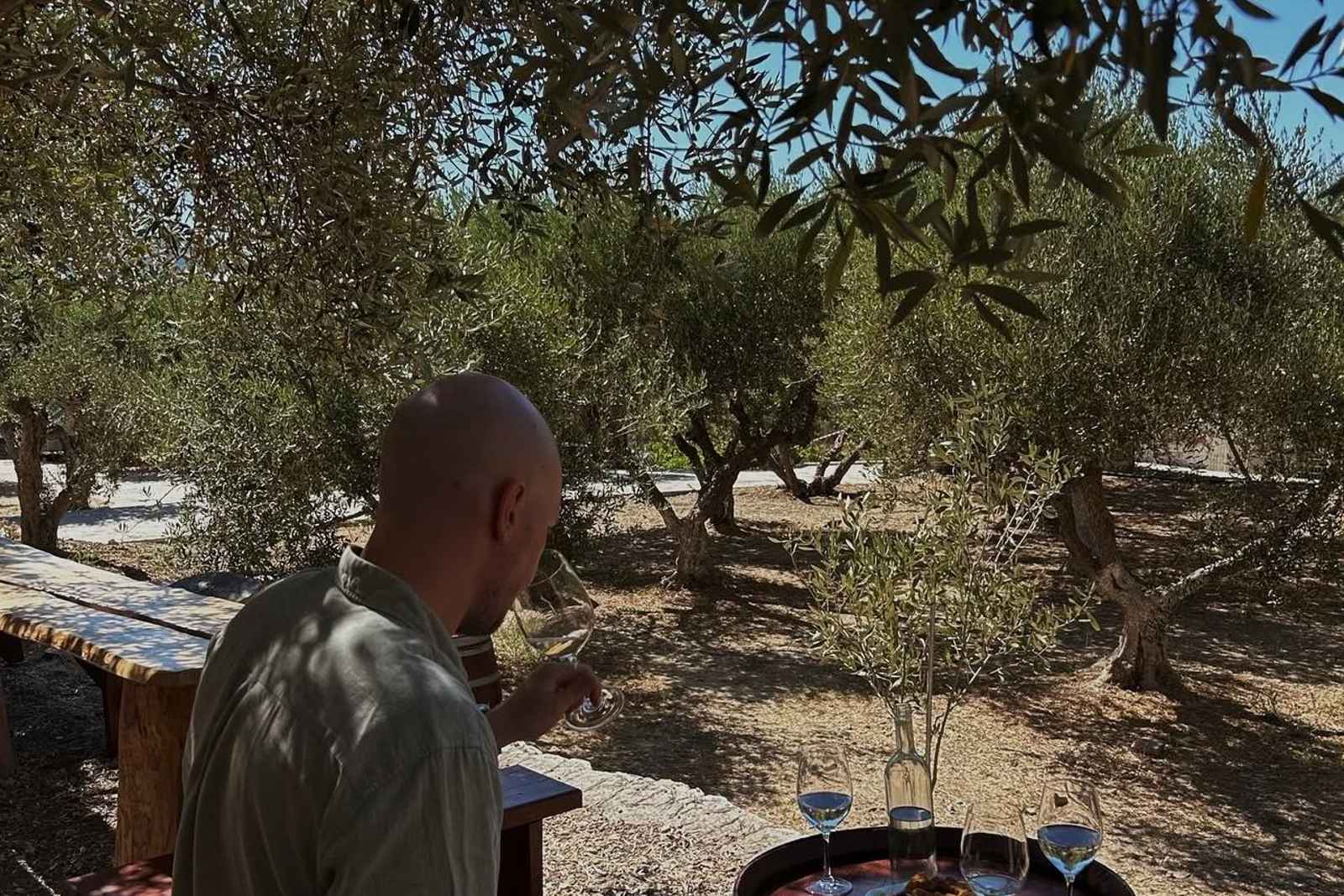 4.6· 12 reviewsRated on GetYourGuideSamos Guided Winery Tour & Authentic Wine Tasting ExperienceSee reviews and dates
Book your ferry or transfer
Pick your route and date and see live times and prices on 12Go, one step from booking.
Need to book the trip itself?
Compare ferry, bus, train and transfer options and prices for your dates on 12Go. The link is sponsored and costs you nothing extra.
Get a day-by-day plan for your dates
Tell us how many days you're staying, your pace and what you enjoy. We build the itinerary: sights, beaches, hikes and the bookable tours that fit each day, in an order that saves you driving.
Must-see places
 UNESCO
Pythagoreio
UNESCO harbour town, birthplace of Pythagoras
 Beach & village
Kokkari
Samos' most picturesque fishing village
 UNESCO
Heraion of Samos
The ancient Temple of Hera, by the sea
 UNESCO
Eupalinos Tunnel
A 6th-century BC engineering marvel
 Nature
Potami Waterfalls
A shaded gorge walk to two waterfalls
 Nature
Manolates & Ambelos
Stone mountain villages above the pine forest
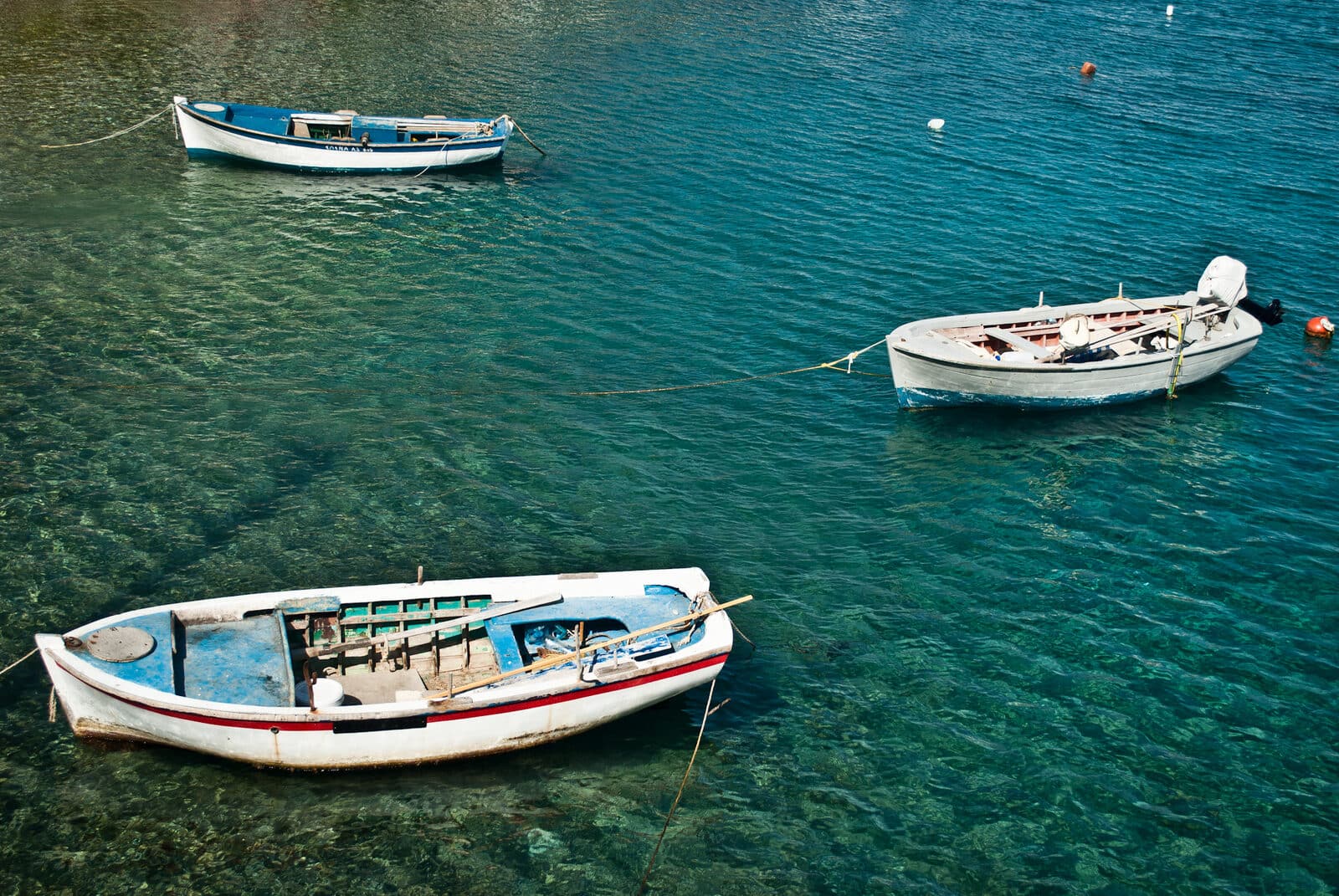
Choosing the right coastal base changes your whole trip
Samos' hotels are spread across a handful of very different coastal towns, and choosing the right one changes your whole trip. We break it into zones, with price bands, trade-offs and a direct hotel search for each.
- Kokkari for a scenic base with good restaurants
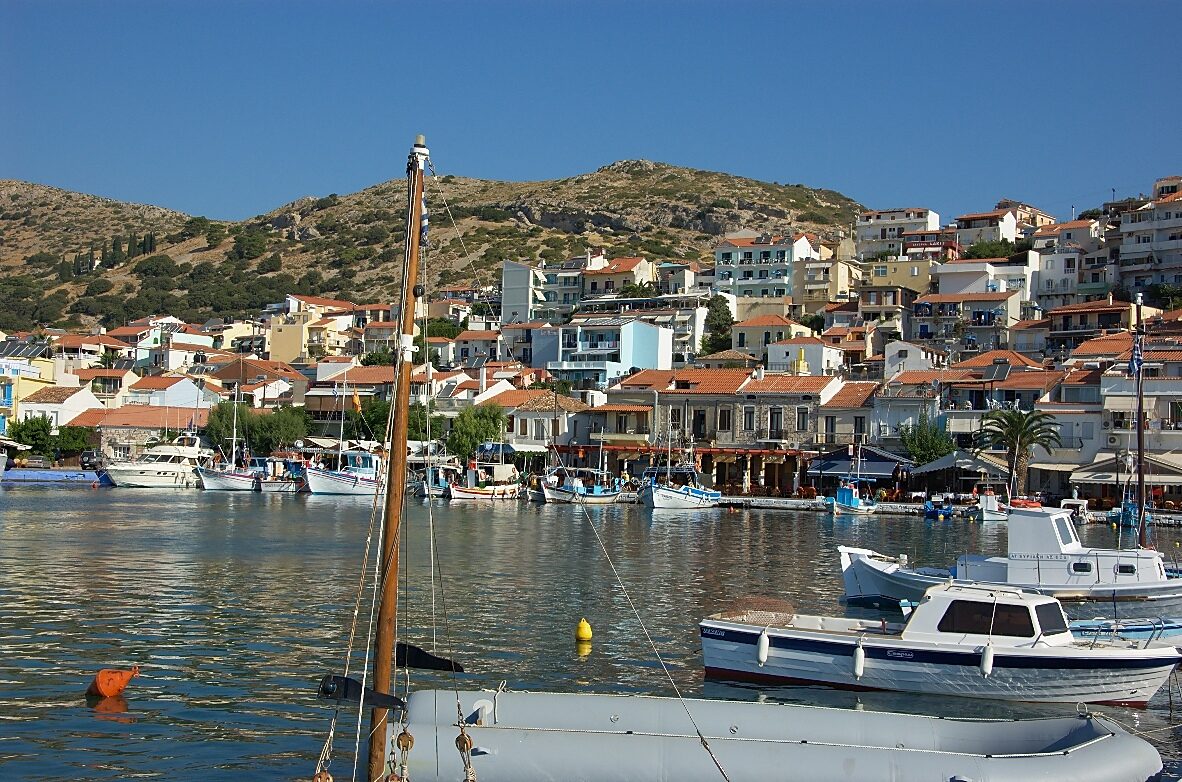
- Pythagoreio for the airport, the ferry and UNESCO history on your doorstep
- Vathy or Karlovasi for better value and a more local feel
- Marathokampos & Votsalakia for the quiet west coast, near Mount Kerkis
Free Samos travel guides
Samos Travel Guide
Money, health, safety and what to pack. Everything a first-time visitor needs.
Getting There & Around
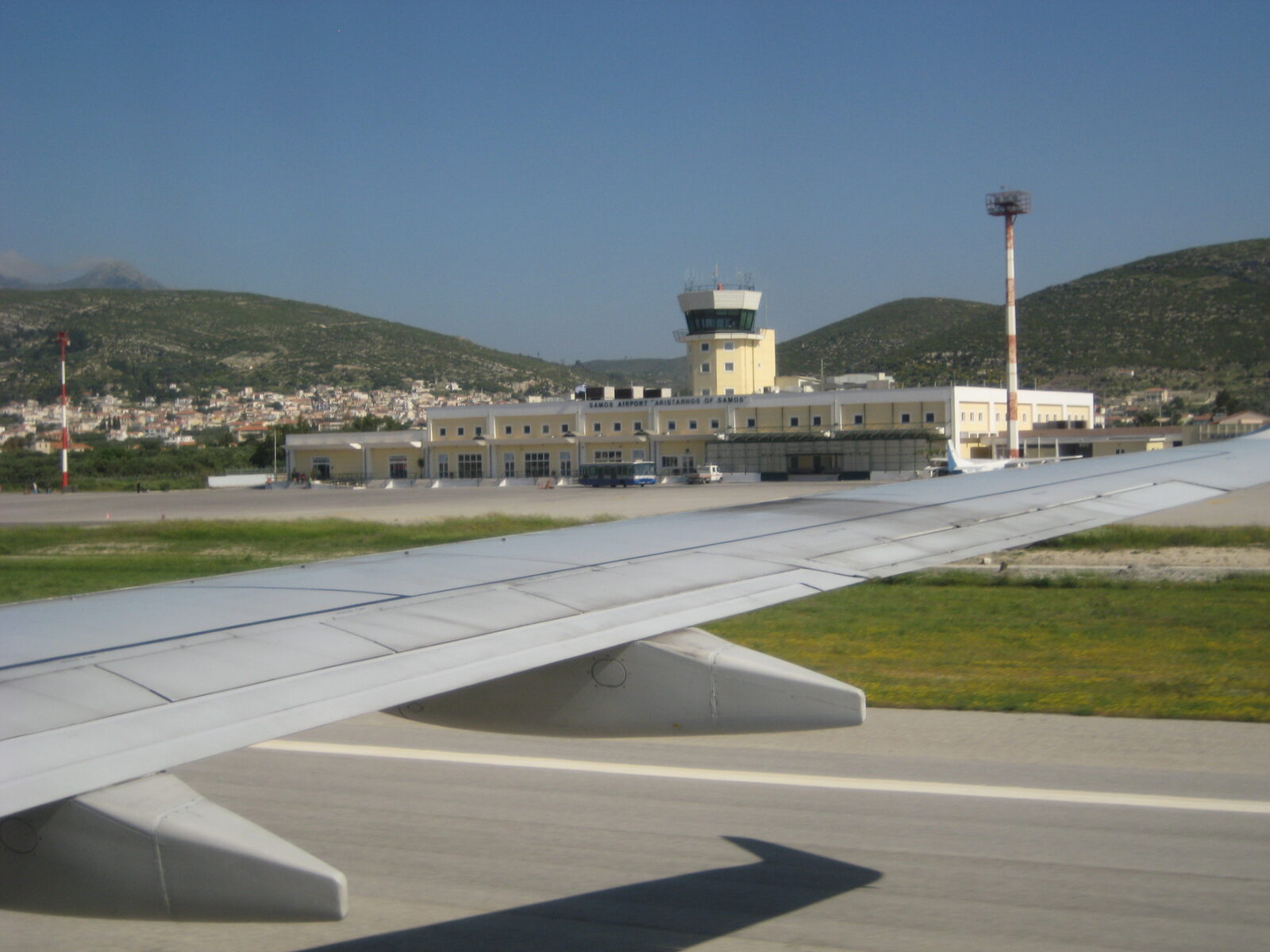
Flights, ferries, including from Turkey, and Schengen visa rules sorted before you land.
Best Time to Visit
Month-by-month weather, hiking windows, crowds and the sweet spots for price.
Plan your trip: our reference guides
Short, dated and sourced answers to the questions travellers ask before they book.
Best tours in Samos: top 5
The five best-rated Samos excursions, ranked with a public method.
Best boat trips in Samos
Routes, ports, meals and conditions compared, with the top-ranked trips.
Best wine tasting in Samos
Samos Muscat and the winery visits worth booking.
Samos itineraries: 3, 5 and 7 days
Day-by-day plans and what to book ahead
Where to stay by traveller type
Which area suits couples, families, budget and no-car trips
Things to know before visiting Samos
Money, getting around, seasons, safety and etiquette
Samos facts and figures
Key numbers on size, access, season and places
Best sites to plan a Samos trip
Which resource to use for which planning job
Editorial standards
How the site is researched, funded and corrected
The guides readers open first
Six pages that answer the questions travellers search for most.
How big is Samos?
Size, population and location, with sources
Money and paying on Samos
The currency, cards and cash
Samos vs Kos and other islands
Which Greek island fits your trip
Samos and the Turkish coast
1.6 km from Turkey: what that means
All-inclusive resorts in Samos
What to expect, and the alternatives
Karlovasi
The quiet north-west base and ferry port
Visiting Samos: your questions answered
Yes: Samos combines a UNESCO World Heritage listing (Pythagoreion and the Heraion), a single site with two locations, genuinely good hiking on Mount Kerkis, a real wine tradition (Samos muscat) and Aegean beaches, all without the crowds or prices of the Cyclades.
Read the full Samos travel guideLate May–June and September are the sweet spot: warm enough to swim, without the heat and crowds of peak August. July–August is hottest and busiest; spring and autumn suit hikers.
See the month-by-month breakdownGreece is in the Schengen area. EU/Schengen citizens need no visa. UK, US, Canadian and Australian passport holders can typically stay visa-free for up to 90 days in any 180-day period, but rules change. Always confirm with your nearest Greek embassy before booking.
Flights, ferries and visa detailsVery close: the Mycale Strait separating Samos from the Turkish coast is only around 1.6–2 km wide at its narrowest point, and day trips to Kusadasi and Ephesus run regularly from Pythagoreio and Vathy.
Explore Pythagoreio, the ferry townYes, for travellers who want variety in one trip: the UNESCO-listed sites of Pythagoreion and the Heraion, mountain villages, hiking on Mount Kerkis, Samos muscat and a varied coastline. It suits a relaxed holiday mixing beaches and exploring, ideally with a car for part of the stay. It is not the place for big-city nightlife, and most beaches are pebble, with Psili Ammos the main sandy exception.
No. A package usually bundles the flight, the airport transfer and the hotel, which keeps a first visit simple. Booking each part yourself lets you pick your own base, dates and hire car, and both ways of travelling are common on Samos.
More than a beach holiday
Ancient ruins, mountain trails and a real wine tradition. All within an hour of your hotel
Compare tours and book in a couple of taps.
Opens our booking partner in a new tab. Prices and availability are shown live there.